


Illustrations
Browse all60 images extracted from 13 books
This page is from a 16th-century edition of Marsilio Ficino's collected letters (*Epistolae*), specifically the opening of Book VIII dedicated to Filippo Valori. It features two prominent historiated woodcut initials; the second initial 'C' illustrates the liberation of Plato from captivity, a theme directly referenced in the accompanying Latin text which discusses the redemption of Platonic books.
This intricate alchemical emblem from 1667 illustrates the complex relationship between spirit, soul, and body in the 'Great Work'. At its center, the figure of Mercury stands within a geometric framework of circles and triangles, surrounded by symbolic elements like the royal crown, the grapevine, and guardian lions. The presence of the toad at the base represents the 'prima materia' or the base matter from which the philosopher's stone is refined.
This hand-colored woodcut illustrates Canto II of Dante's Purgatorio, depicting the arrival of the celestial pilot who transports souls to the mountain of Purgatory. Dante and Virgil are shown on the shore, witnessing the arrival of the spirits who disembark from the angel's vessel. This 1487 edition, featuring Landino's commentary, is a landmark in the history of printed books and Dantean iconography.
This intricate woodcut illustrates a pivotal biblical moment, likely the Raising of Lazarus, showing Christ performing a miracle before a group of witnesses. The composition is typical of late 15th-century printmaking, utilizing bold line work and symbolic architecture to convey a powerful spiritual narrative. As an illustration from Ficino's 'Theologia Platonica', it reflects the synthesis of Christian theology and Platonic philosophy prevalent in Renaissance humanism.
This intricate woodcut emblem serves as the printer's mark for Franciscus le Preux, depicting the biblical allegory of the olive tree from Romans 11. It shows a hand from heaven pruning wild branches while a figure observes the grafting of new ones, symbolizing divine severity and goodness. The motto 'VIDE BENIGNITATEM AC SEVERITATEM DEI' (Behold the goodness and severity of God) reinforces this theological message of inclusion and exclusion within the divine plan.
This hand-colored woodcut emblem depicts a palm tree flourishing even as it supports a heavy stone weight. This imagery traditionally symbolizes resilience and the idea that virtue grows stronger under pressure, a concept reinforced by the motto 'PALMA BEB' on the entwined scroll. Such emblems were popular in early modern Europe for conveying moral and philosophical lessons through a combination of image and text.

This intricate emblem features a central allegorical figure representing Faith or Wisdom, holding a lamp as a symbol of divine guidance. The surrounding cartouche is richly decorated with grotesque masks, fruit, and smaller figures, typical of the Mannerist style. The Latin inscription, 'LVCERNA PEDIBVS MEIS VERBVM TVVM' (Thy word is a lamp unto my feet), identifies the scene as a visual representation of Psalm 119:105.

This intricate woodcut illustrates Canto IV of Dante’s Inferno, depicting the 'Noble Castle' in Limbo where virtuous pagans reside. Identifiable figures such as Homer, Socrates, and King Latinus are shown gathered within and around the seven-walled fortification, representing the light of human reason in the absence of divine revelation.

This sophisticated engraving functions as an emblem, centering on a female figure who personifies faith or divine wisdom, holding a lamp to light her path. The Latin inscription 'LVCERNA PEDIBVS MEIS VERBVM TVVM' (Thy word is a lamp unto my feet) identifies the scene as a biblical allegory from the Psalms. The surrounding cartouche is richly decorated with Mannerist motifs, including scrolls, garlands of fruit, and small figures, typical of elite European printing in the late 16th or early 17th century.
The intellectual circle around Marsilio Ficino and the Medici-sponsored Platonic Academy in Florence. These thinkers recovered and reinterpreted Plato, Plotinus, and the Hermetic writings, creating a philosophical synthesis that shaped European thought for two centuries.
All Books
Browse Full Catalog→119 books in this collection
On the Mysteries
Ficino
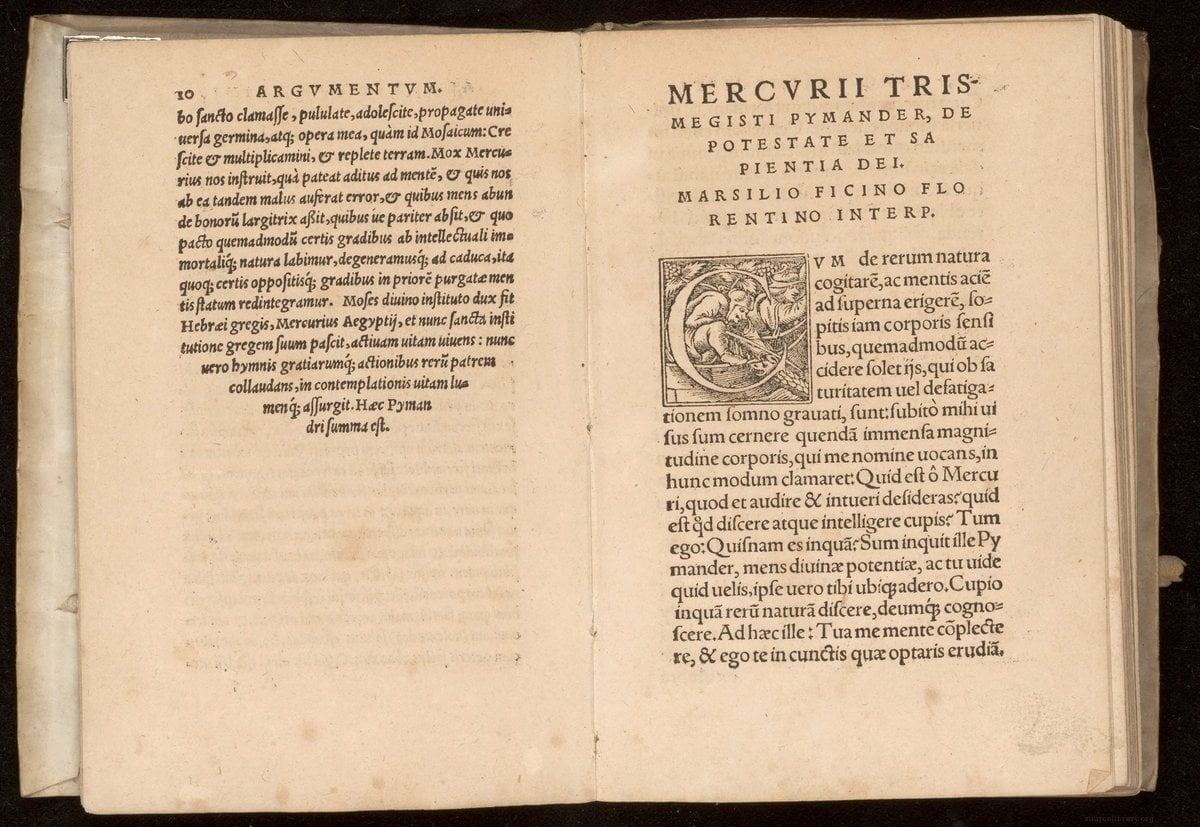
Pymander. Asclepius. On the Mysteries of the Egyptians. On Plato's Alcibiades, on the Soul and the Daemon. On Sacrifice.
Hermes Trismegistus|Jamblichus|Proclus
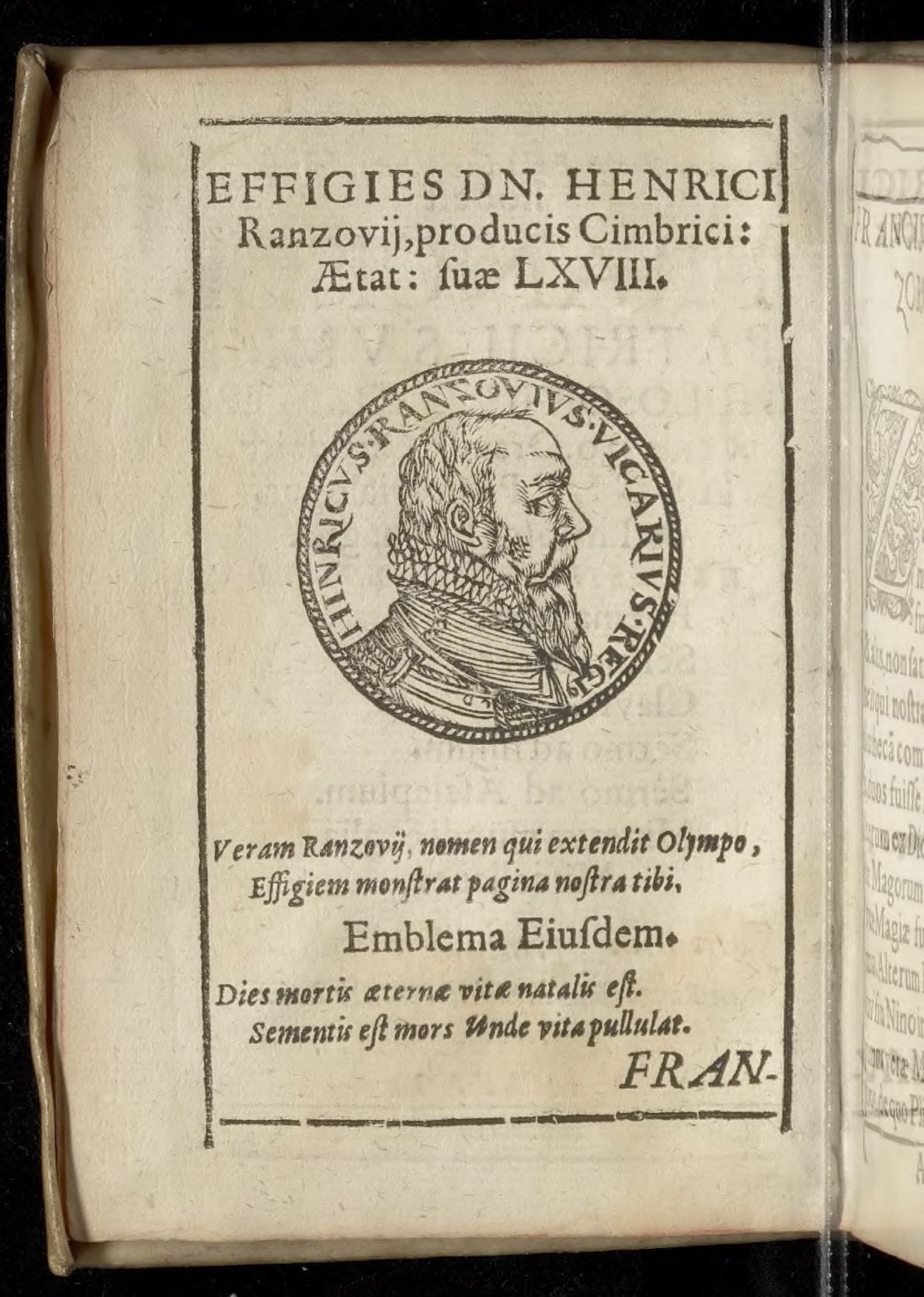
Philosophical Magic
Patrizi, Francesco|Zoroaster|Hermes Trismegistus
The Divine Pymander, Asclepius, and On the Mysteries
Hermes Trismegistus | Jamblichus | Proclus
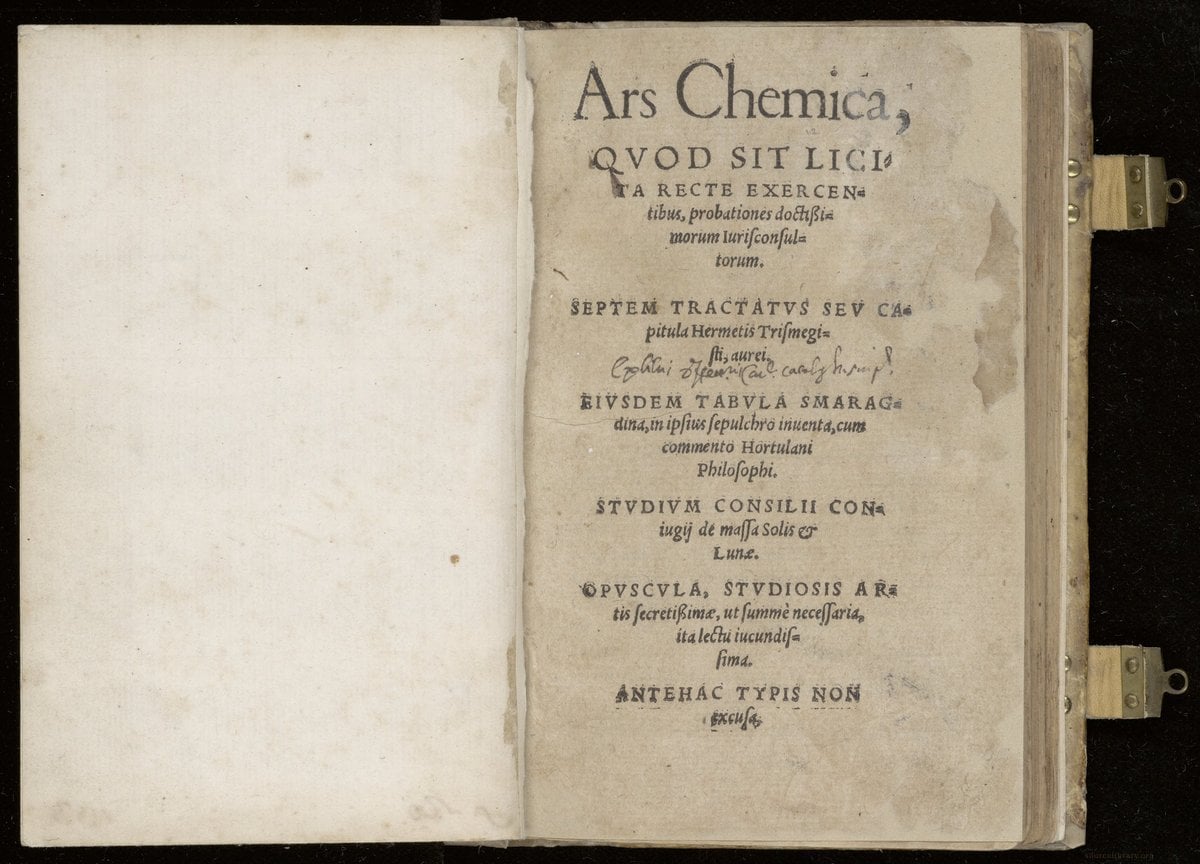
The Chemical Art
Hermes Trismegistus
The Heaven of the Philosophers and the Regimen of Life
Ulstad, Philip|Ficino, Marsilio
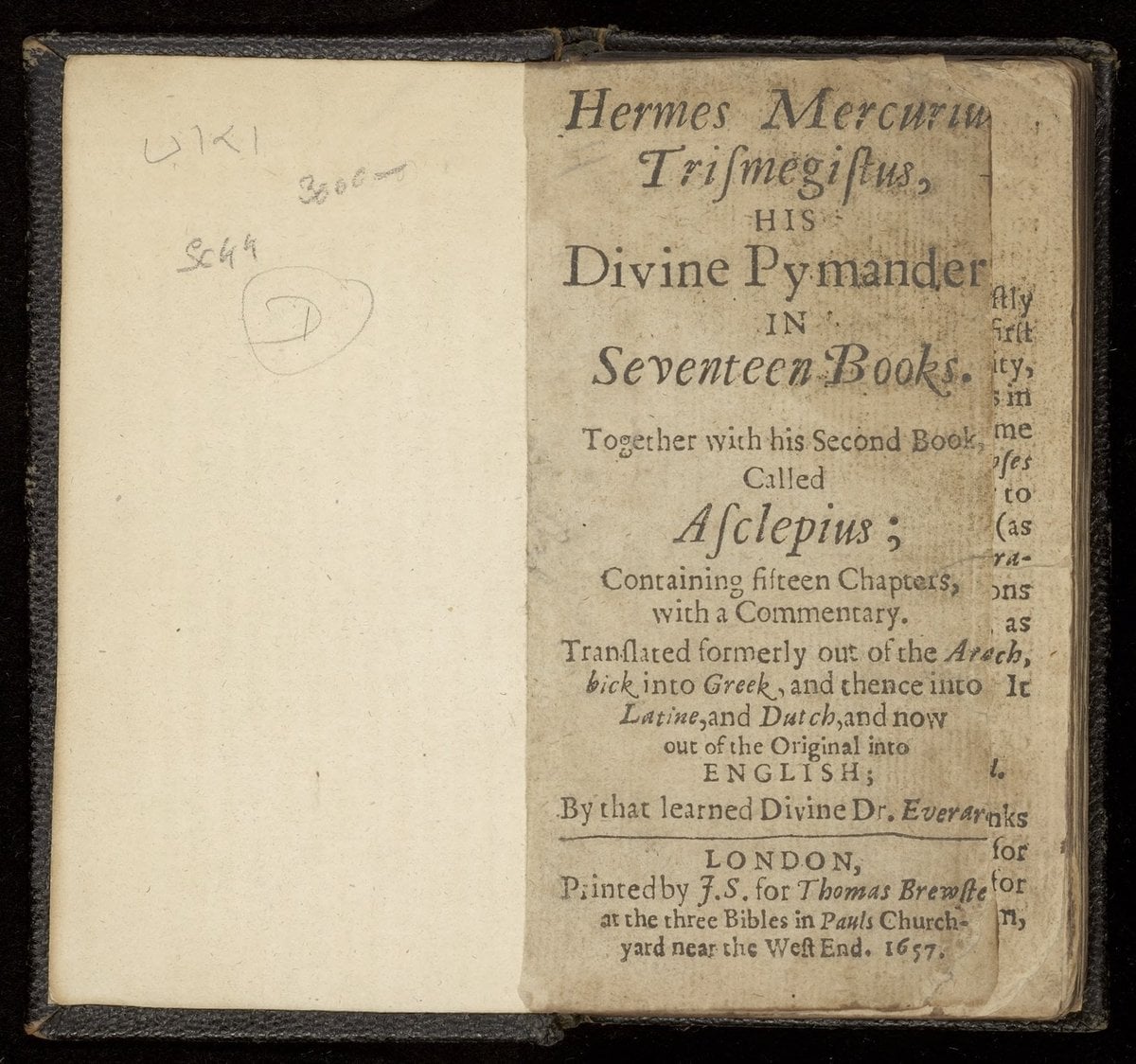
Divine Pymander. Asclepius
Hermes Trismegistus
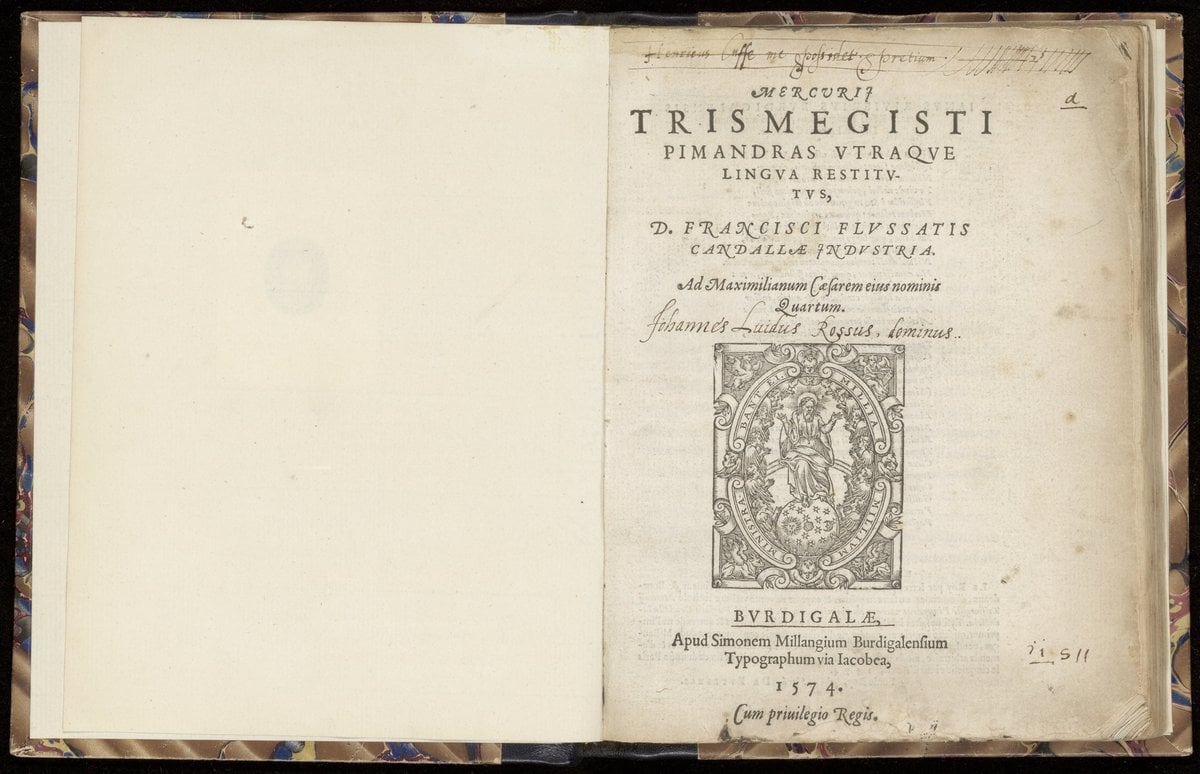
Poimandres
Hermes Trismegistus
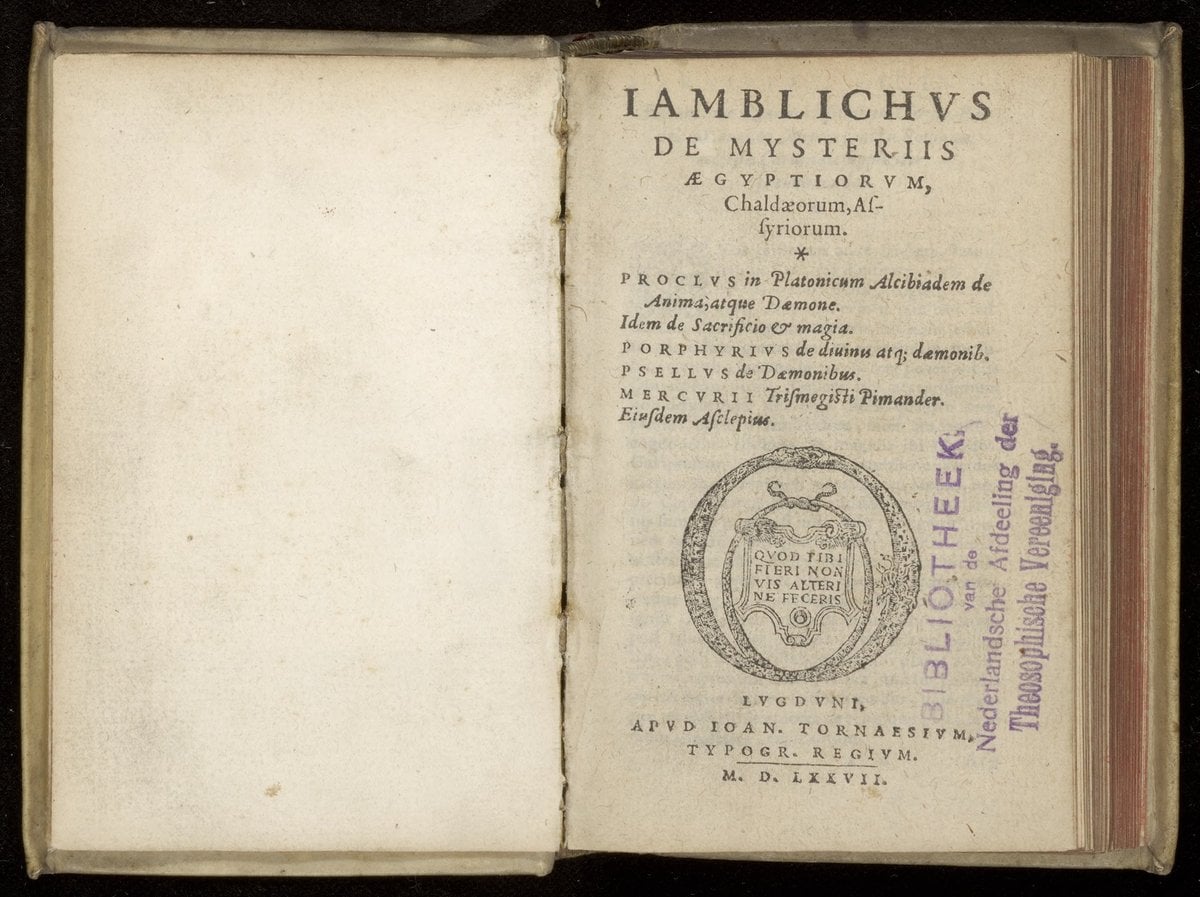
On the Mysteries of the Egyptians
Jamblichus|Proclus|Porphyrius|Psellus|Hermes Trismegistus
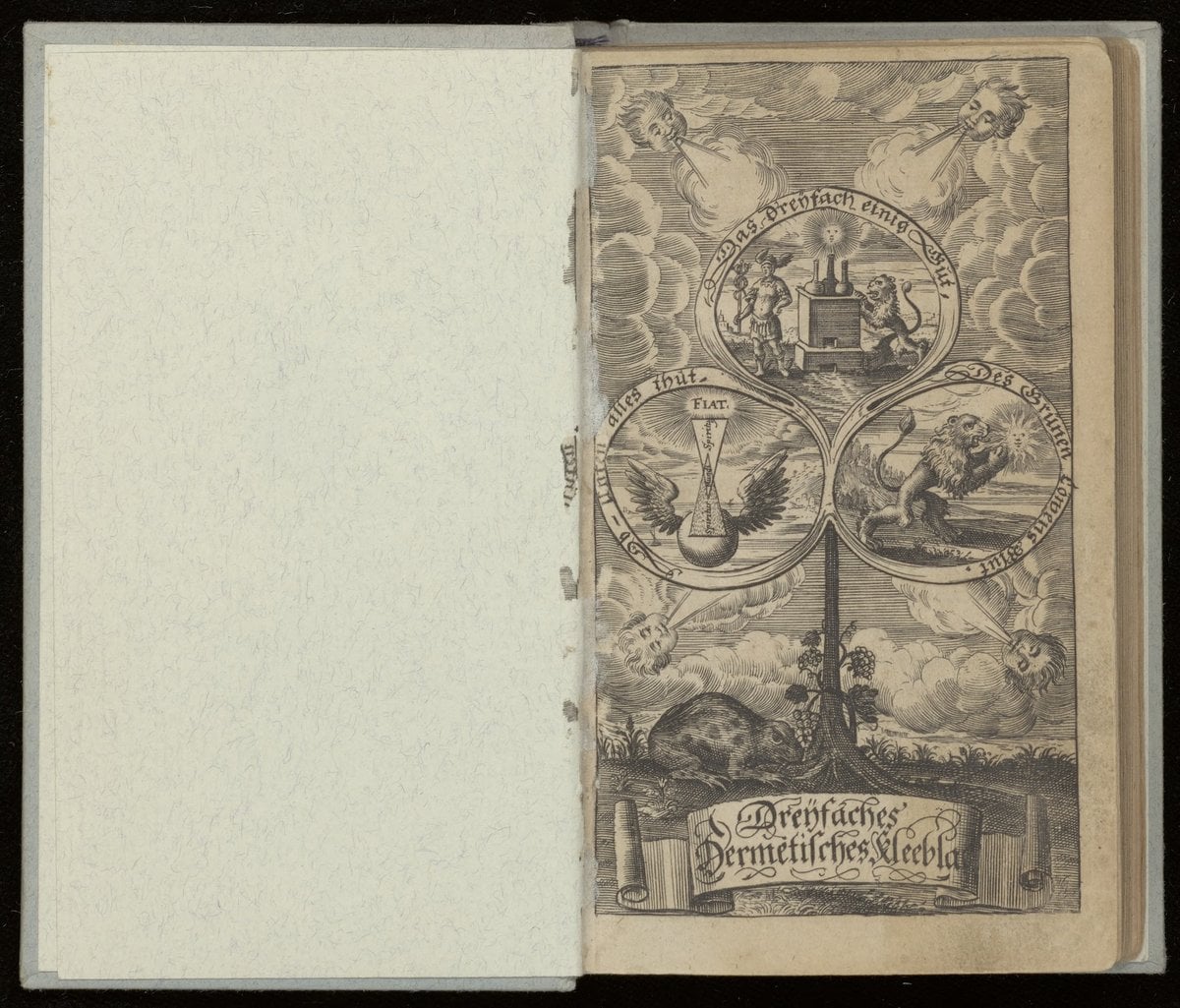
Triple Hermetic Cloverleaf
Nuysement, Clovis Hesteau de|Norton, Samuel|Ficino, Marsilio
On the Miraculous Word
Reuchlin, Johann
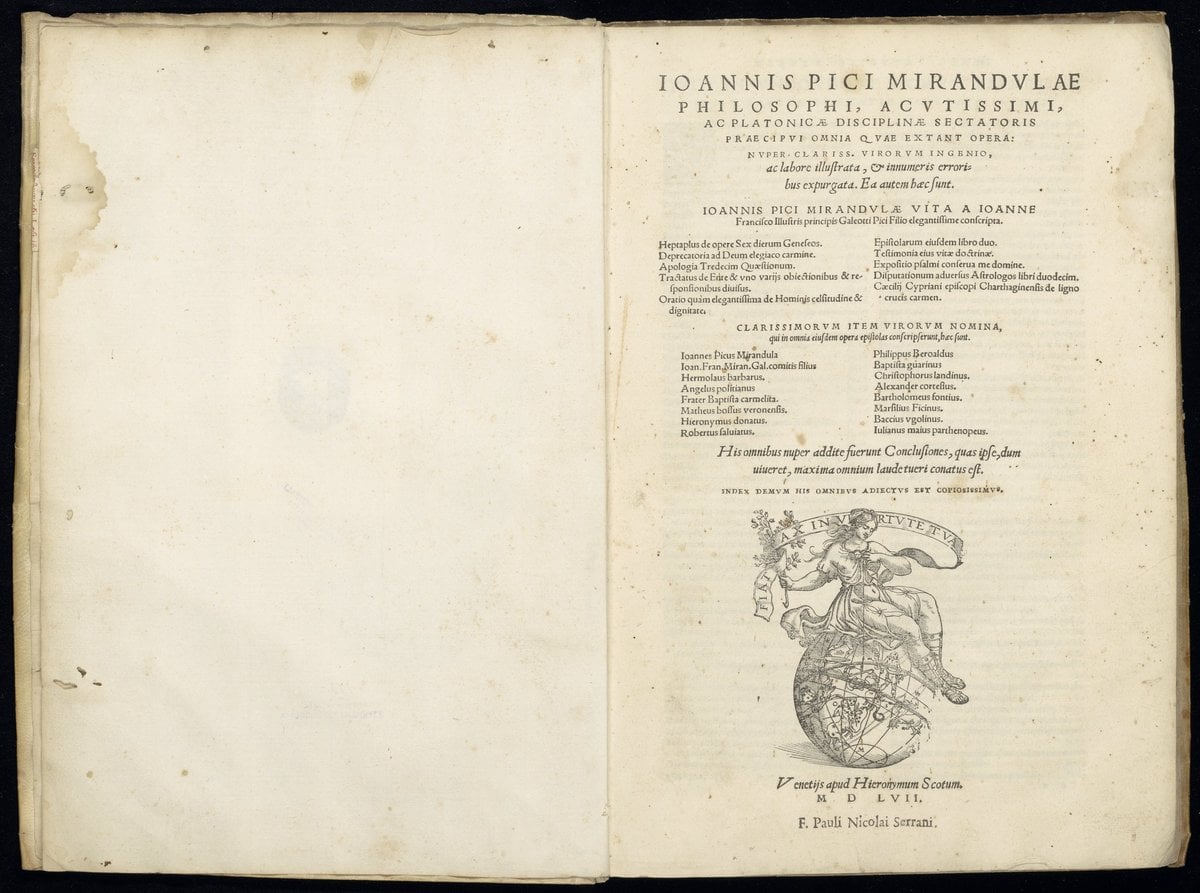
Complete Works of Giovanni Pico della Mirandola
Pico della Mirandola, Giovanni
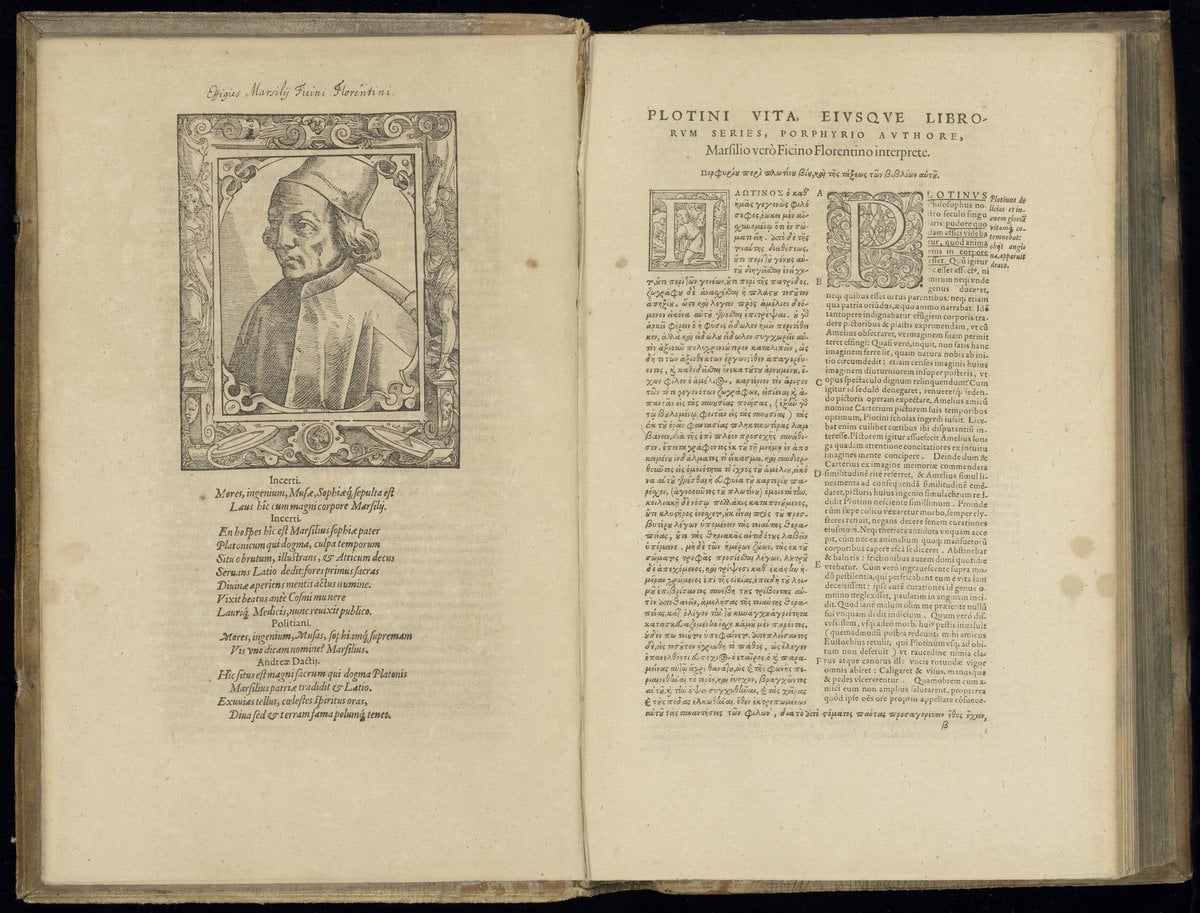
The Enneads
Plotinus
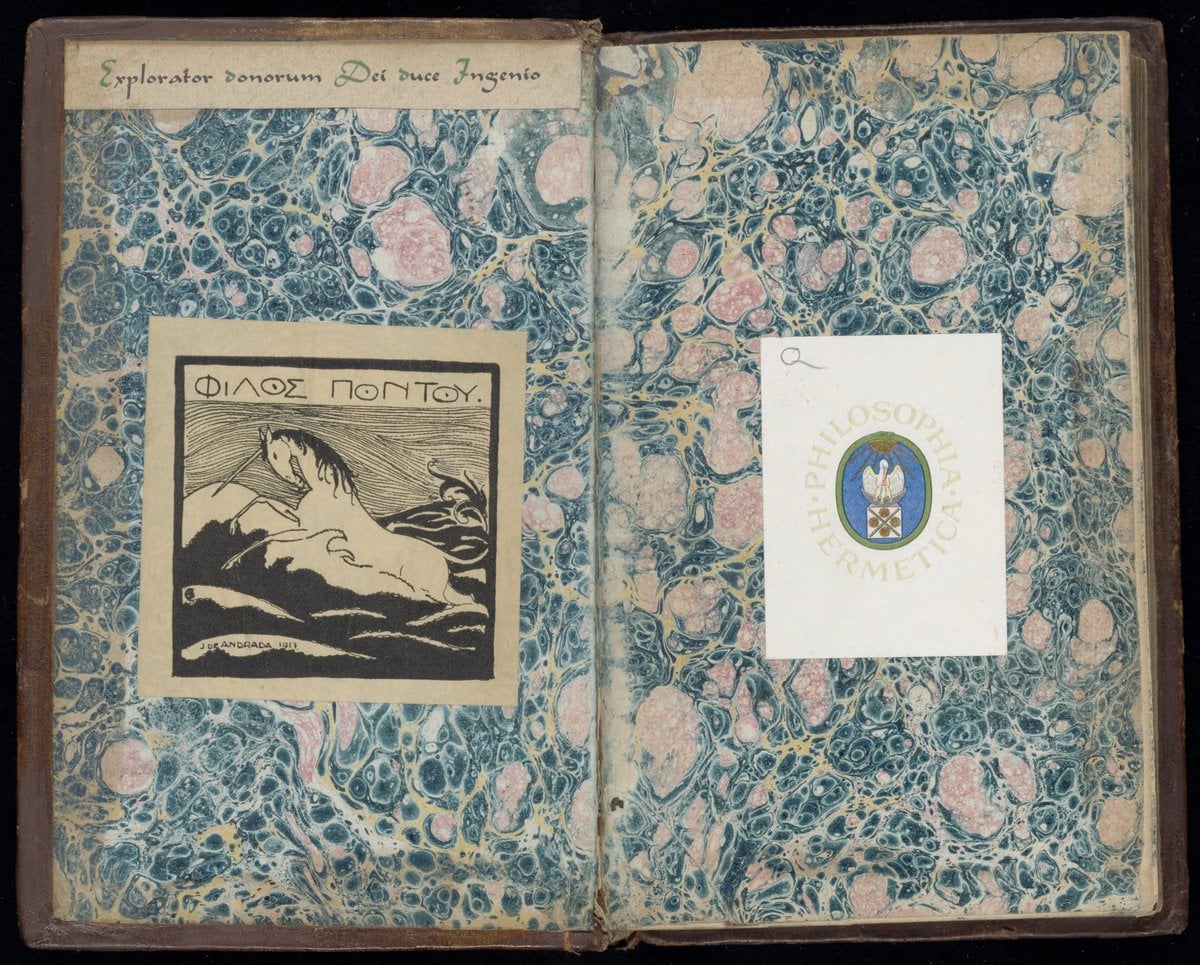
Philosophy of Love
Abrabanel, Jehuda